
lamie’s demystifying guide to wine terminology.
Demystifying Wine Terminology
In Roald Dahl's “Taste,” published in the December 1951 edition of “The New Yorker,” the gourmet Richard Pratt described wine with questionable phrases such as “rather diffident and evasive, but quite prudent(…)” and “a good-humoured wine, benevolent and cheerful—slightly obscene, perhaps, but none
the less good-humoured.”
In this humorous short story, Dahl’s character exposes the alienation regular wine drinkers often feel in the presence of connoisseurs. Wine terminology can be confusing, often merging scientific terms, such as “vinification,” “terpenes,” and “carbonic maceration,” with abstract, metaphorical phrases, such as the descriptions of the fictional Richard Pratt. But expressing one’s opinion when wine tasting does not have to be an elitist activity for the few. Although expertise and standards are important when evaluating a bottle in a professional setting, familiarising oneself with basic wine terms can help a novice delve deeper into oenology; an initiation procedure into the mysteries of wine.
Basic Wine Terminology
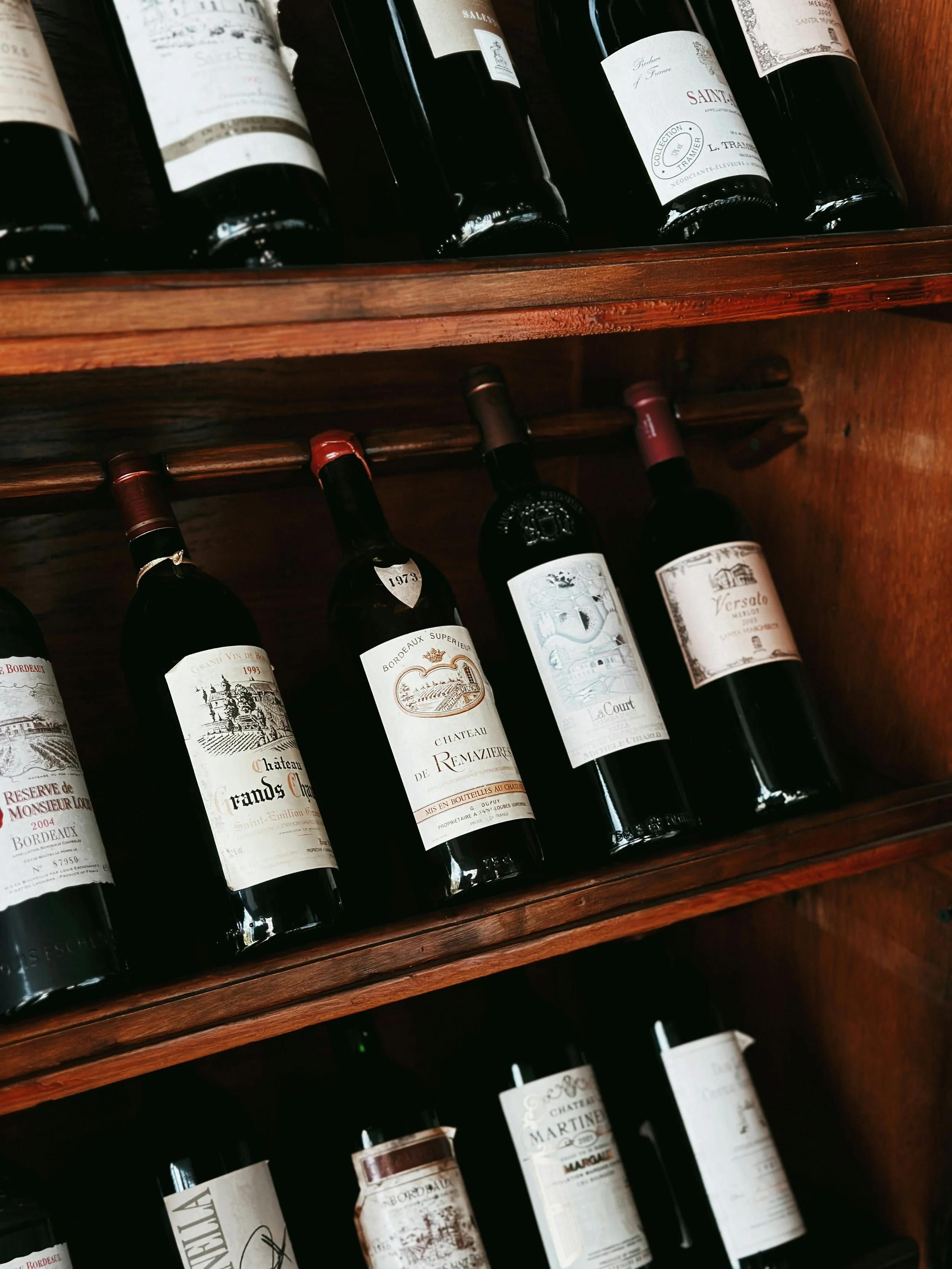
The most important terms when classifying a bottle of wine are the ones related to its colour (reds, whites, rosés) and type (still, sparkling, fortified, dessert). By understanding the meaning behind these terms, selecting the right bottle for a special occasion and creating the best food pairings for a dinner party is no longer an unnerving experience. For example, red wines are generally served warm (13–18°C) and pair well with high-fat dishes, such as steak, compared to whites, which require chilling for at least 45 minutes and are more harmoniously paired with seafood and chicken.
(1) Red. Red wines are made from dark-coloured grapes and fermented with grape skins to extract deep pigments. A red wine can vary from a translucent ruby to an opaque purple, depending on the thickness of the grape skins and the amount of tannins.
(2) White. White wines are typically made from white and green grapes and are sometimes immediately pressed without a prolonged grape skin contact. Orange and amber wines, subcategories of whites, are fermented with grape skins, acquiring these deeper hues.
(3) Rosé. An intermediate category between whites and reds is rosé, with its pink hues ranging from pale salmon to vibrant strawberry. Rosé wines are made from dark-coloured grapes, but have very limited contact with grape skins. “Clairet” is a lesser-known term that indicates a type of rosé wine from Bordeaux, France. Clairets are deeper in colour, as they are fermented with grape skins for an extended period.
(4) Still. The vast majority of wines are “still;” they contain no carbon dioxide as the gas created during fermentation is allowed to escape. They have an average alcohol content and can be red, white, or rosé.
(5) Sparkling. Sparkling wines are fizzy and bubbly, as they undergo a secondary fermentation process in a sealed environment that traps carbon dioxide. Champagne, Crémant, and Cava are produced following the traditional method, with the second fermentation occurring in the bottle. Prosecco, on the other hand, is stored in large pressurised tanks before being bottled.
(6) Fortified. Created to withstand long voyages, fortified wines have a higher-than-average alcohol content that acts as a preservative. As their name suggests, these wines (e.g. Port, Sherry, Madeira) have distilled spirits added to them either during or after fermentation. Fortified wines usually also fall under the “dessert wine” category.
(7) Dessert. Highly sweet wines are usually offered in smaller 60-90 ml pours as desserts. Dessert wines (e.g. Moscato d'Asti, Tokaji, Sherry) achieve high sweetness either through fortification or by various production methods that concentrate sugar. For example, “noble rot” (botrytis) is a type of fungus that shrivels the grapes and adds a honey-like flavour to wines.
Intermediate Wine Terminology
When evaluating a wine’s taste and overall quality, intermediate and advanced wine lovers focus on five structural elements.
(1) Sweetness. Wines can be dry, sweet, or something in between, depending on the residual sugar after fermentation.
(2) Tartness. The acidity of the wine is described as “tartness.” Tarter wines are usually produced in cooler climates and are described as zesty or sharp. Low-acid wines, on the other hand, are produced in warmer climates or go through a process known as malolactic fermentation (e.g. Chardonnay), which makes them smoother and creamier.
(3) Astringency. This term refers to the wine’s amount of tannins and, therefore, whether it leaves a drying sensation on our palate. Tannins are natural compounds found in grape skins, seeds, and stems, but also in oak barrels used for ageing.
(4) Warmth. A glass of wine can create a warming sensation in the back of the throat thanks to its alcohol content. The higher the alcohol (14.5% ABV or more), the warmer the wine.
(5) Body. Certain wines feel light like water, while others feel heavy and rich like cream. The wine’s body is its perceived weight and thickness, a sensation influenced by the combination of its alcohol, sugar, and tannin content.
Common Wine Descriptors
Describing wine, specifically its appearance, aroma, palate, mouthfeel, and finish, can be done literally or creatively. A glass of wine can be fruity with notes of raspberry, or it can be earthy and aged. It may feel chewy, or it may leave a soft, velvety sensation on the palate. There is an unlimited list of specific adjectives and phrases used by wine brands and wine lovers alike that create vivid descriptions in our minds.
(1) A glass of wine can be “fruity” with notes of red fruits such as cherry, often described as “jammy,” or white and citrus fruits such as lemon and green apple. Similarly, another glass can be “floral” or “herbaceous.” Aged wines can have an “oaky” flavour, tasting like vanilla, butter, or brioche, or an “earthy” one, hinting towards forest floor, wet earth, truffle, and even leather.
(2) An acidic wine feels “crisp” and “zesty,” whereas a glass with very low acidity may be described as “flabby.”
(3) Whenever your palate feels dried out by a tannic wine, you can use adjectives such as “grippy” or “firm.” On the other end, wine can feel “smooth,” “supple,” “mellow,” and “soft.” A “tight” wine is high in tannins but low in fruit.
(4) Depending on its body, a wine’s texture can feel “creamy” and “milky-soft” or “slippery” and “oily.” A “thin” or “watery” wine lacks body.
(5) Based on its intensity, wine can be “concentrated” and “powerful” or “delicate” and “subdued.”
(6) A well-balanced glass of wine is described as “harmonious,” “structured,” “sophisticated,” and “finesse,” whereas another glass may be “one-dimensional” and “simple.”
Common Wine Label Terminology
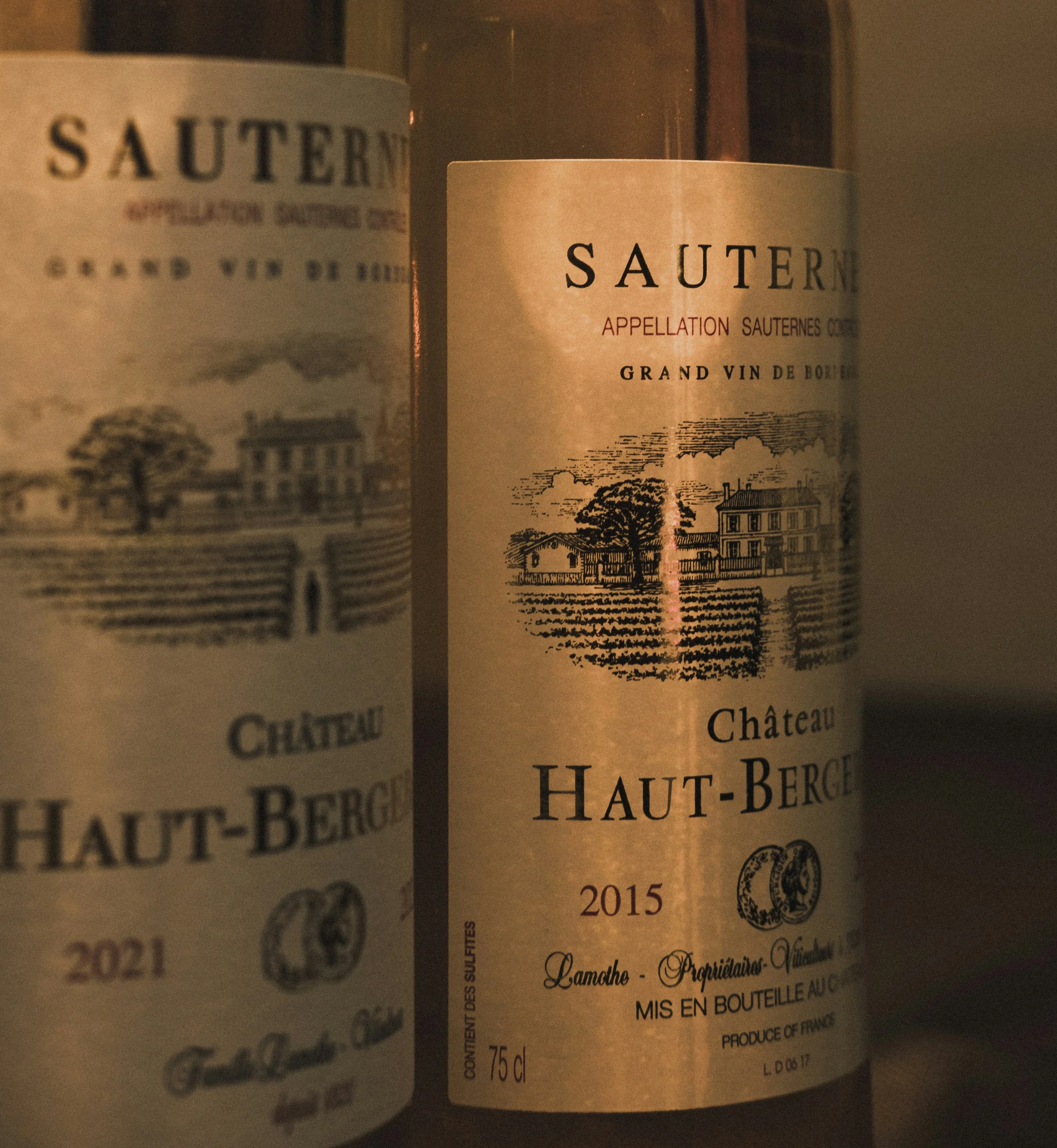
Most information about a wine’s origin and style can be found directly on its label. Basic details are usually not explicitly stated (e.g. red, white, rosé) but are rather implied through other terms and the overall bottle presentation. The next time you lay your hands on a bottle, dedicate some time to finding relevant clues that start with the producer’s name or the grape variety and expand into various abbreviations and foreign terms.
(1) Varietal. Many wine bottles have varietal labelling and are therefore named after the main grape variety used in their production (e.g. Chardonnay, Merlot), which immediately provides clues on the wine’s style and flavour profile.
(2) Appellation. In many cases, the name is derived from a legally defined geographic region (e.g. Bordeaux, Napa Valley) that normally follows specified production standards. If you notice abbreviations such as “AOC” (France), “DOC” (Italy/Portugal), and “AVA” (USA), these basically indicate legal, geographical, and production-standard designations for wine regions. In Spain, “DO/DOCa” also indicates age, such as Crianza (younger), Reserva (aged), or Gran Reserva (aged the longest).
(3) Proprietary. Wineries often create trademarked brand names for their bottles that can be abstract (e.g. Opus One) or derived from the estate or founder (e.g. Antinori, Château Haut-Brion).
(4) Blend. In certain parts of the world, wines are often named after the blend of grapes, which can be generic (e.g. Red Blend, White Blend) or specific (e.g. Cabernet Sauvignon – Merlot/GSM, Cuvée).
(5) Vintage/Non-Vintage (NV). The term “vintage,” often seen as “harvest year,” indicates the specific year the grapes were harvested to produce the wine (e.g. Vintage 2020). Combined with the clues you gathered indicating its geographic location, this term can help you evaluate the overall wine quality. For example, if the wine region had a warm, dry year, the grapes ripened quickly, resulting in higher alcohol content and sweetness. If no year is listed or the abbreviation “NV” is used, the wine is likely a blend of multiple years.
(6) Alcohol Content (ABV)/Degrees Gay-Lussac (°GL). “ABV” stands for “alcohol by volume,” and, as the name suggests, it measures the percentage of pure alcohol in the total volume of wine. On some labels, you may see it as “vol” or “alc.” A Moscato d'Asti is usually around 5,5% ABV, indicating a low alcohol content, while fortified wines such as Port and Sherry can reach 20% ABV. In France and other parts of the world, it is not uncommon to measure alcohol content with degrees (1 degree= 1% ABV). In this case, the label uses the term “Degrees Gay-Lussac” (°GL) instead of “ABV” (e.g. 14°GL instead of 14% ABV).
(7) Terroir. Although not always written as “terroir” on the bottle, this is a French term that indicates the soil, climate, and general topography of the wine, based on the previously-mentioned terms. For example, a Riesling from the Mosel in Germany suggests steep slopes and blue slate soils, which often give the wine a mineral character and high acidity.
(8) Dry vs. Sweet. Another clue on the wine label is its sweetness. Terms such as “dry,” “sec,” “trocken,” and “secco” indicate little or no residual sugar. Sparkling wines follow their own scale. “Brut” is the most common term for a dry sparkling wine, and “extra brut” and “brut nature” are even drier. Confusingly, “sec” or “extra dry” on a sparkling wine means it is slightly sweeter than brut. Sweet wines carry terms such as “sweet,” “doux,” “dolce,” and “süss.” “Demi-sec” and “moelleux” point to an intermediate level of sweetness, while “liquoreux” is reserved for rich, syrupy dessert wines.
(9) Ripe vs. Unripe. In the German-speaking world, labels often focus on grape ripeness rather than sugar content. Terms such as “kabinett” (average ripeness), “spätlese” (late harvest, ripe), “auslese” (selected harvest, very ripe) are used instead of “dry” and “sweet.” “Eiswein” (ice wine) refers to the highly sugary yet acidic wine from grapes harvested while frozen on the vine.
Wine Pedigree & Prestige Terminology
Many wine producers, vineyards, and wine regions around the world boast a long history and reputation. Historically renowned terroirs, such as Bordeaux, carry prestigious classifications (e.g. 1855 Bordeaux), while there are prominent and respected estates with significant heritage.
(1) Grand Cru/Premier Cru. Top-tier vineyards, especially in France, are referred to with the terms “Grand Cru” and “Premier Cru.”
(2) Grosse Lage. In the German-speaking world, prestigious vineyards are described as “Grosse Lage.”
(3) Classico & Superiore. In Italy, “classico” indicates the original, historic heart of a wine region (e.g. Chianti Classico). On the other hand, “superiore” implies superior ageing.
(4) Estate Bottled/Mis en Bouteille au Château/Gutsabfüllung. This term reveals that the wine was grown, produced, and bottled at the same exact estate; an important clue that points towards an overall higher quality.
(5) Vieilles Vignes/Old Vines. Once a vine has reached the ripe age of 30+, it is considered mature, and so are the fewer yet concentrated grapes it produces. Although what is considered a mature age differs from region to region, finding this term on a label, also seen as “Viñas Viejas” or “Alte Reben,” implies that the wine has an intense, complex taste.
(6) Gran Reserva. In Spain, reds with at least five years of ageing are called “Gran Reserva.”
(7) 90+ Points. This term indicates high scores from major wine critics.
Wine Terminology of Aroma & Flavour Compounds
Wine is a product of a complex “alchemy;” a chemical mixture primarily composed of water, ethanol, acids, sugar, and phenolic compounds. These compounds determine the wine's colour, aroma, flavour, and mouthfeel.
(1) Esters. These are compounds formed by the reaction of acids and alcohols during fermentation, contributing to fruity and floral aromas.
(2) Terpenes. “Terpenes” are aromatic compounds produced by grapes, offering floral and citrus notes.
(3) Pyrazines (Methoxypyrazines). “Pyrazines” are responsible for herbal aromas like green bell pepper, grass, and even asparagus.
(4) Thiols. Sulfur-containing compounds known as “thiols” add positive aromas of passionfruit or grapefruit. Too many of these compounds can result in very unpleasant smells, such as rotten egg.
(5) Rotundone. The term refers to a sesquiterpene responsible for the black or white pepper aroma in Syrah and Grüner Veltliner.
(6) Diacetyl. This is a diketone that smells like butter or cream, produced during malolactic fermentation.
(7) TDN (1,1,6-trimethyl-1,2-dihydronaphthalene). This is the compound responsible for the characteristic petrol or kerosene smell in mature Riesling.
Various Wine Terms
(1) Legs/Tears. Right after swirling a glass of wine, a thin film coats the glass and droplets and streaks form on the inside. As alcohol evaporates faster than water, thicker, slower-moving legs suggest higher alcohol and sugar, regardless of the wine’s overall quality. These droplets are called “legs” or “tears” but can also be described as “cathedral windows,” “fingers,” or “curtains.”
(2) Tone. Distinct from the colour of the wine (red, white, rosé), the tone describes its intensity and “greying out” effect. Young wines tend to have a vibrant and saturated look, whereas aged wines begin to look dusty and muted, suggesting a higher level of sophistication.
(3) Depth. The term describes how transparent or opaque the wine appears when visually examined against a white background. The thicker the grape skins during fermentation, the deeper the colour of the wine and the higher its content of tannins.
(4) Aromas. Whenever we taste wine, our perception mostly derives from smelling the aromas rather than tasting its sweetness, savouriness, and bitterness with our palate. Primary aromas identify notes of fruits, florals, and herbs, while secondary aromas are linked to the fermentation process, offering hints of baked bread or cheese. Lastly, tertiary aromas are directly related to the ageing process, releasing scents of tobacco, truffle, or even forest floor.
(5) Bouquet. Just like a flower bouquet creates a complex fragrance, a wine’s secondary and tertiary aromas are described as the “bouquet.”
(6) Late Harvest. Sweet dessert wines (e.g. Late Harvest Riesling) are often made from grapes left on the vine for a prolonged period.
(7) Straw Wine. “Straw wine,” “raisin wine,” or “passito”, is a dessert wine made from grapes that have been dried off the vine on straw mats to concentrate their juice.
(8) Noble Rot. “Noble rot” or “botrytis” is a type of beneficial fungus that shrivels the grapes, resulting in the production of dessert wines.
(9) Charmat. The “charmat” is the non-traditional method of producing sparkling wines such as Prosecco. Base wine is mixed with sugar and yeast in a pressurised tank that entraps the carbon dioxide released from the fermentation.
(10) Cuvée. A “cuvée” is a French term for a blend of different grape varieties, vineyards, or even vintages. However, when used in reference to Champagne and other sparkling wines, it refers to the first-pressed, highest quality grape juice.
(11) Fumé Blanc. The American winemaker Robert Gerald Mondavi coined the term “Fumé Blanc” to describe dry, oak-aged Sauvignon Blanc.
(12) Oak-aged. Winemakers often mature their wines in oak wooden barrels that help enrich their flavour, mouthfeel, and colour. Oak is porous, allowing minuscule amounts of oxygen to seep into the wine over time, softening the tannins. Moreover, compounds like ellagitannins from the oak act as natural preservatives, protecting the wine from premature oxidation. The barrels are usually “toasted” during their production; their interior is exposed to moderate heat to chemically alter the wood, which later releases compounds into the wine that enrich its flavour profile.
(13) Malolactic Fermentation (MLF). The term describes a winemaking process that turns tart malic acid into creamy lactic acid, softening the wine’s flavour.
(14) Sur Lie (Lees). It refers to the method of ageing wine on dead yeast cells to create creamy or bready textures.
(15) Aeration. The process of opening a wine bottle and letting it release its true aromas.
(16) Oenology. Derived from the Greek word for wine (oenos), oenology is the scientific study of wine and winemaking.
(17) Sommelier. A “sommelier” is a trained and certified professional who curates, serves, and pairs wine.
(18) Connoisseur. A “wine connoisseur” is a highly knowledgeable amateur or expert wine-lover.
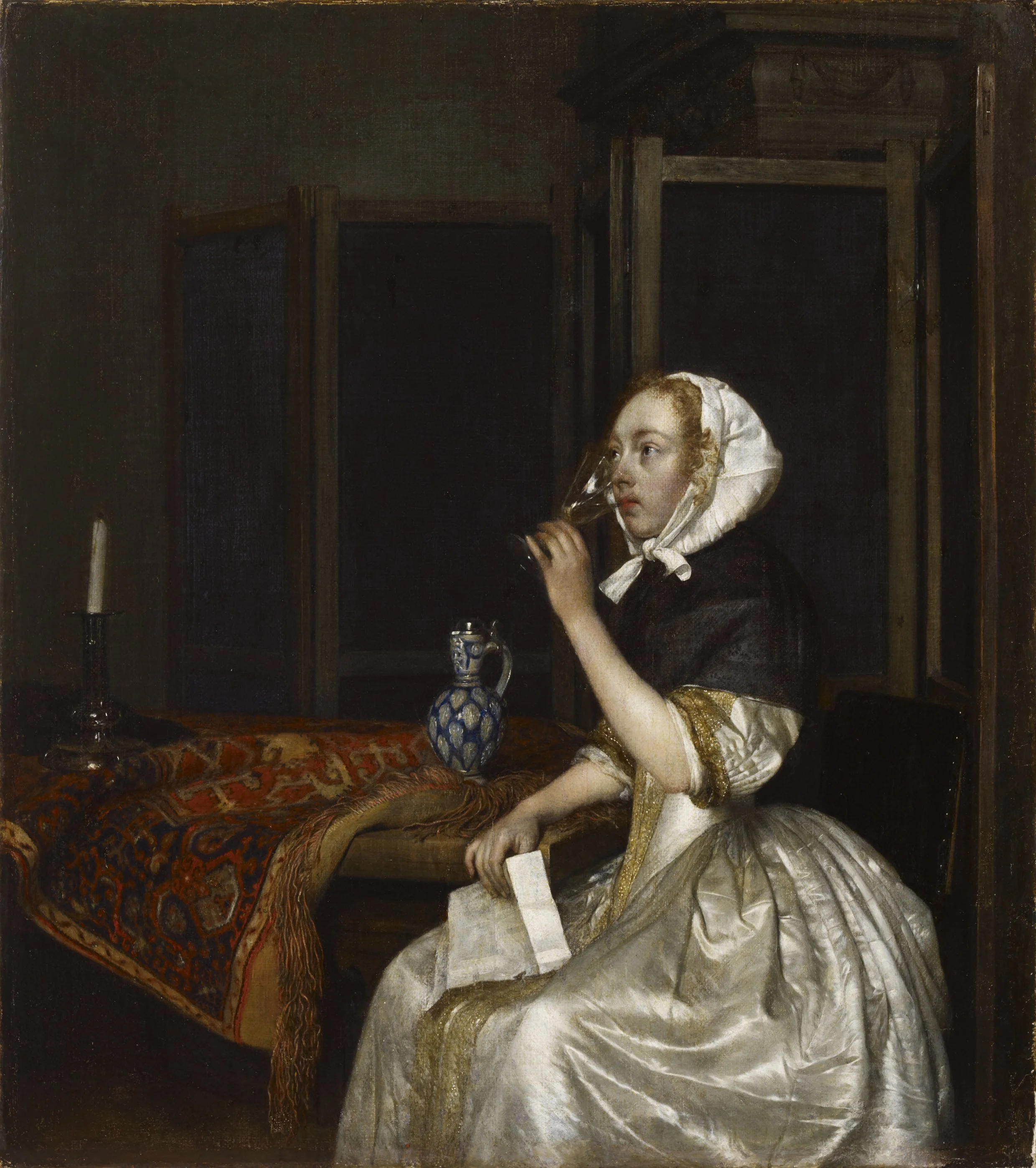
(19) Gourmet. A “wine gourmet” appreciates high-quality wines, has a refined palate, and can evaluate pairings with great precision.
Express Your Wine Experience
lamie welcomes all wine lovers who want to expand the ways they express their wine tasting experience. Our website offers a hand-picked collection of wines that comes with an accessible guide that simplifies the selection process.