
lamie’s guide to the hierarchy of wine aromas.
The Three Layers of Wine Aroma
In wine tasting, smell is perhaps the most important sense for decoding a wine’s “DNA.” Its origin, fermentation process, and maturity can be identified by sniffing the volatile organic compounds released from your wineglass as soon as you swirl it. This complex scent is what we call “wine aroma,” a term that often covers the entire sensory experience of smelling the wine.
The aromas awaken our sense of smell not only when we place our noses close to the rim. Every time we take a sip, the aromas are perceived retronasally by reaching the back of our noses while tasting. What we often call “flavour” includes scents rather than what can be detected by our taste buds, with the sense of smell contributing to approximately 80% of perceived flavour.
There are various ways of describing wine aromas. Novices may focus on the scents’ intensity while identifying specific notes, such as cedar, plum, cherry, or vanilla. Experienced wine tasters can use their senses to decode the entire wine DNA by identifying its aroma hierarchy. After a few sniffs and a couple of small sips, they can precisely specify the region and grape variety, the winemaking techniques, and the wine’s age. To achieve this level of almost alchemical precision, wine experts have become accustomed to identifying three important layers known as the primary, secondary, and tertiary aromas.
Primary Aromas: The Origins
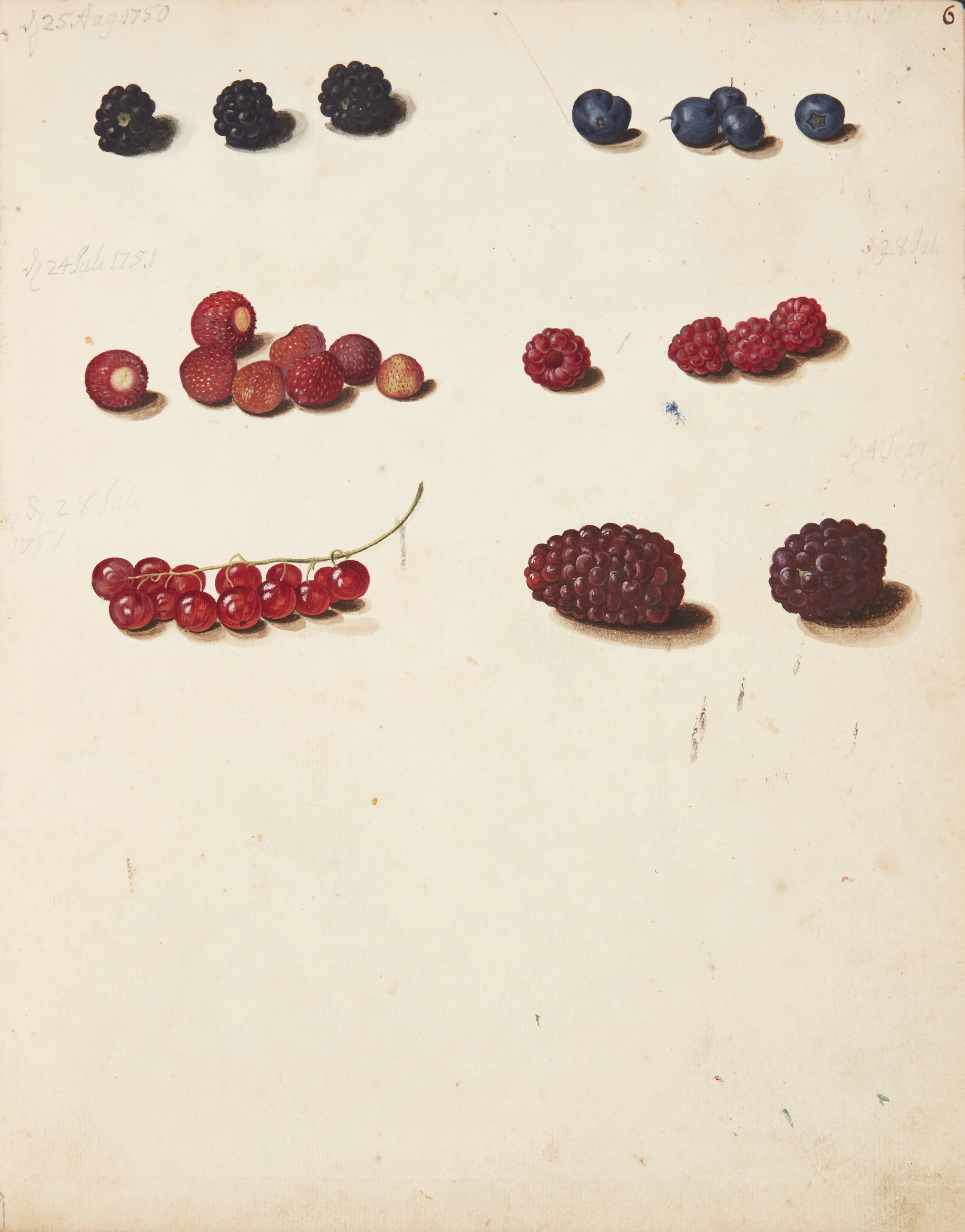
As you gently rotate your wineglass, various aromatic compounds awaken your senses. You may identify notes of fruits, florals, or herbs. You close your eyes and sniff the rim as you are transported to Tuscany’s dry, rustic terrain. With the first sip, you can feel the sharp scent of Morello cherry. With the second sip, you sense the violets and lilacs; the aromas of thyme and oregano bring memories from a past summer in Italy when you found yourself exploring the combed hills of neatly tended vineyard rows and olive groves. You safely guess the grape variety: Sangiovese, the blood of Jupiter.
Primary aromas are scents that originate directly from the grape variety, climate, and soil. They reveal the wine’s origins by travelling back to the terrain that grew its vines. These varietal aromas can be fruity, floral, or herbal, and when it comes to young wines, they are usually the strongest and easiest to identify. For some wine lovers, only primary aromas are the “true” wine aromas, with secondary and tertiary layers often being described as the “wine bouquet.”
Secondary Aromas: The Craft
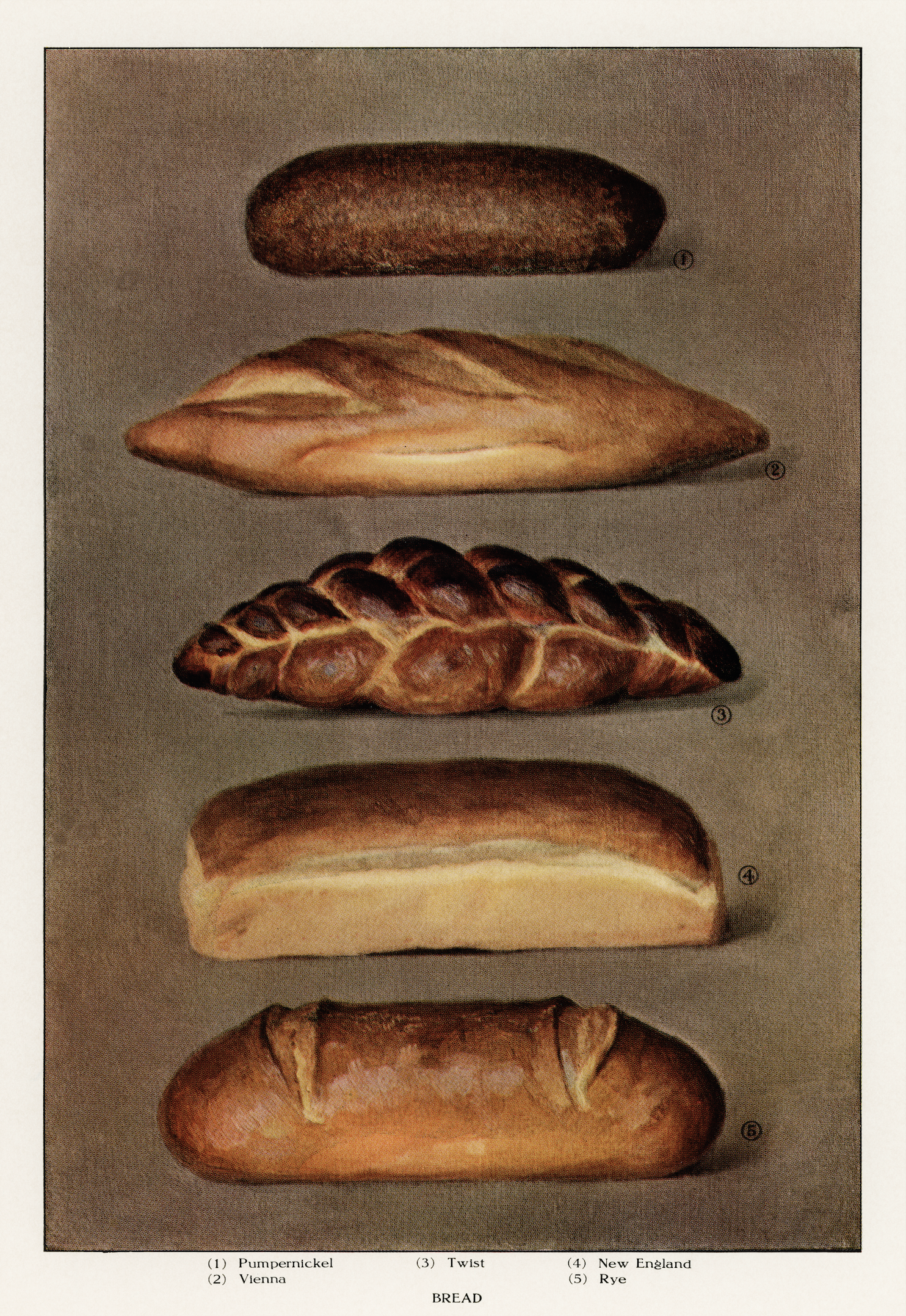
If you can sense notes of butter, freshly baked bread, cheese, or even hints of sweet spice and toasted hazelnut when tasting a glass of wine, you have identified the so-called secondary aromas. Also known as fermentation aromas, they shift our focus from the vineyard to the cellar, revealing the secret craft of the winemaker. For example, a glass of Chardonnay with a buttery scent may transport us to Burgundy, where the use of oak and malolactic fermentation is the regional signature style. With every sip, you find yourself in a stone cellar filled with bubbling ferments.
These secondary aromas arise during alcoholic fermentation, which converts grape sugars into alcohol with the help of yeast, and malolactic fermentation, where tart malic acid is converted into softer, creamier lactic acid by Oenococcus oeni bacteria. Temperature, oxygen exposure, and lees contact also shape the second layer of wine aroma. Low temperatures tend to preserve fresh and floral notes, while warmer fermentation creates a more complex and structured aroma. Oxygen exposure, on the other hand, influences oxidation-reduction reactions, with controlled oxygen developing nutty and spicy aromas, while low oxygen preserves fruity scents. When it comes to lees, these are basically dead yeast cells that remain after fermentation to add texture and complexity to the wine. This method is commonly used for adding creamy autolytic aromas to barrel-aged whites such as Chardonnay.
Oak contact and ageing techniques can also be identified via the secondary aromas. Once fermentation is complete, winemakers pour the wine into barrels to rest, while oak chips and staves may be added to create notes of vanilla, spice, and toast. The use of oak barrels also contributes to the creation of the third and final layer of wine aromas, as it is directly connected to the ageing process.
Tertiary Aromas: The Age
To discover the third layer of wine aromas, you find yourself in the Rioja region of Northern Spain, where the rugged Sierra de Cantabria Mountains protect the Ebro River Valley from the harsh winds of the Atlantic. You are invited to an “Open That Bottle Night,” only to find yourself in a dark, dusty cellar. In an almost ritualistic procedure, a bottle of a Gran Reserva is selected after an eight-year slumber. The host extracts the cork with a butler’s thief and lets the aromas escape into the air. Scents of truffle and cigars dominate the room, a rich combination that is rare to find.
If someone “aged like fine wine,” they became more refined with age. Luxury wine labels often take pride in their oxidative and reductive ageing processes, as they are responsible for releasing a third layer of aromas. Think of leather, tobacco, truffle, and forest floor; tertiary aromas are simply impossible to find in young wines, as they require patience and a special storage investment. Certain aged wines from legacy Brands such as Château Margaux are collectables due to their natural scarcity and a long, documented history. However, most aged wines fall under premium category and are offered at moderate prices.
Wine ageing is a complex procedure that requires cool temperatures, darkness, humidity, stability, and four chemical pillars: high acidity, tannins, high residual sugar, and high alcohol content. Cabernet Sauvignon, Syrah, White Burgundy, and Vintage Port are ideal for ageing for these exact reasons. That means that, despite popular belief, most wines are not meant to be aged and should be consumed within a couple of years. This is what makes tertiary aromas so special, as they require specific conditions that are not always available to winemakers.
Wine Bouquets
When someone is offered a floral bouquet, each flower releases a unique scent. They all blend together to form a new complex fragrance that, when arranged carefully, is extremely pleasant to the senses. Similarly, a good wine is composed like a fragrant flower arrangement. In fact, in the 19th century, wine writers started referring to the complex aromas of mature wines with this metaphor: they described them as “wine bouquets.” These are the secondary and tertiary layers that reveal the wine’s craftsmanship and ageing process. For that reason, some wine experts only use the term “aroma” to describe the primary scents that reveal the grape variety and wine region, while referring to the other two layers as the wine’s bouquet.
Discovering New Wine Aromas with lamie
lamie offers a wide range of hand-picked wines suitable for novices and experienced wine lovers who want to enhance their senses by exploring new wine varieties and their layered aromas. Each wine is accompanied by a detailed guide that simplifies the selection process while assisting you in the identification of each scent that reveals the wine’s DNA.